

THE ALCHEMY OF WAX: FROM ANCIENT BRONZE TO PRECISION SILVER
FIELD NOTES // REPORT-002
THE ALCHEMY OF WAX: FROM ANCIENT BRONZE TO PRECISION SILVER
STATUS: ARCHIVED / SPECIMEN-002
SUBJECT: The Evolution of Lost-Wax Casting in High-Artistry Metallurgy
CHRONICLE: 1500 BCE – PRESENT DAY
INTRODUCTION: THE FLUIDITY OF PERMANENCE
In the sterile world of modern mass production, most metal objects are born from the cold, rigid embrace of steel molds. But DALKOMM seeks a different pulse. To create the Ascendant Loong, we returned to a method where metal is not just cast, but "breathed" into existence. Lost-Wax Casting (Cire Perdue) is the bridge between the malleable thought and the eternal monument—a process where the model is sacrificed to give birth to the masterpiece.
I. THE GENESIS: ANCIENT TECTONICS AND THE BIRTH OF FORM
The origin of lost-wax casting (circa 2nd millennium BCE) marks a pivotal moment in human consciousness: the transition from geometric rigidity to organic complexity.
-
Social Context: Emerging in the Bronze Age civilizations of Mesopotamia and the Chu State of ancient China, this method was born from a demand for ritualistic power. Unlike sand casting, lost-wax allowed for "undercuts" and hollow structures.

-
The Masterpiece: The Zun-pan of Marquis Yi of Zeng (曾侯乙青铜尊盘). Created during the Spring and Autumn period, its intricate, interlacing dragon-like "cloud" structures remain a miracle of metallurgy—so complex that modern CNC machines struggle to replicate its organic chaos. It was a time when the craftsman was both a chemist and a poet.
II. THE EVOLUTION: FROM CATHEDRALS TO CHRONOMETERS
As civilizations advanced, so did the precision of the sacrifice.
-
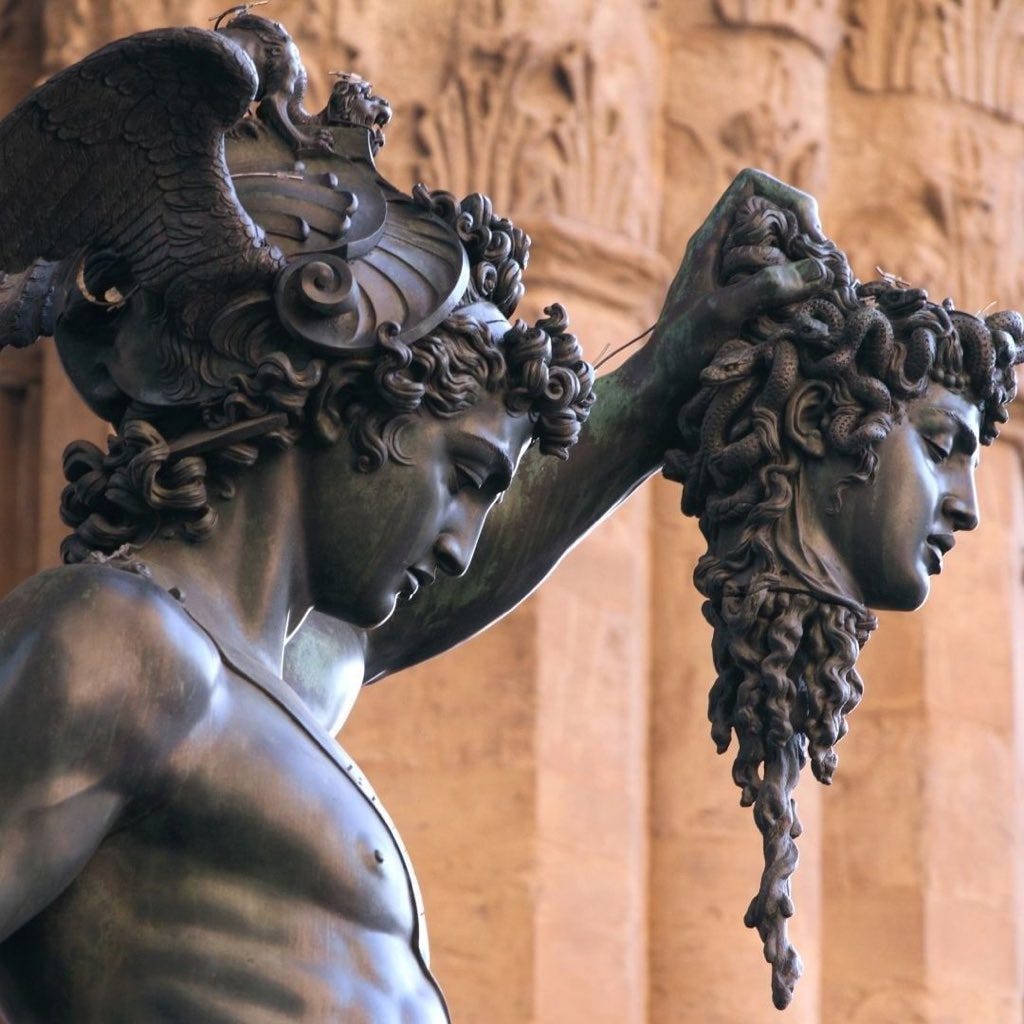
The Renaissance Milestone: Benvenuto Cellini’s Perseus with the Head of Medusa. During the 16th century, the lost-wax process became the definitive language of high art, allowing for dynamic motion and skin-like textures in bronze.
-
Industrial Refinement: The 20th century transformed this ancient art into Investment Casting. By utilizing ceramic shells and vacuum environments, the method moved from grand statues to the ultra-precise components of aerospace and dentistry, eventually finding its home in the micro-world of high-end horology.
III. THE INHERITANCE: THE MODERN RENAISSANCE
Today, lost-wax casting is a rare choice for watchmaking due to its labor-intensive nature. While others choose the efficiency of 5-axis milling, DALKOMM preserves the Artisanal Lineage.

-
Material Integrity: We transition from the bronze of antiquity to Solid 925 Sterling Silver. Silver possesses a thermal conductivity and a "soft" luster that mirrors the spiritual nature of the Loong.

-
Technological Fusion: We combine ancient hand-chiseling with high-resolution 3D wax printing. This "Digital-to-Analog" hybrid ensures that every dragon scale is architecturally precise yet retains the warmth of human touch.
IV. SPECIMEN STUDY: THE ASCENDANT LOONG SCULPTURE
The dragon within the Ascendant Loong Tourbillon is a testament to the "Lost-Wax Micro-Casting" technique:
-
The Sacrifice: A high-definition wax model of the dragon is submerged in a ceramic slurry. Once hardened, the wax is melted away—leaving a void that is an exact negative of the dragon’s soul.

-
The Molten Leap: Molten silver is injected into this void under vacuum. The dragon is born from the destruction of its own model.
-
Micro-Chiseling: After casting, each individual scale is Hand-Chiseled. This post-casting refinement creates the "light-catching" facets seen on the Loong’s sinews, allowing the sculpture to "wind" through the movement with a 360-degree vitality that no machine can duplicate.
